

Moving Past the Stiffness: How Chiropractic Care Supports Life with Arthritis
When joint stiffness and aching pain become daily realities, the natural instinct is often to stop moving. Yet immobility is precisely what makes arthritic joints worse. While arthritis has no cure, living with it does not mean accepting a steady decline in mobility.
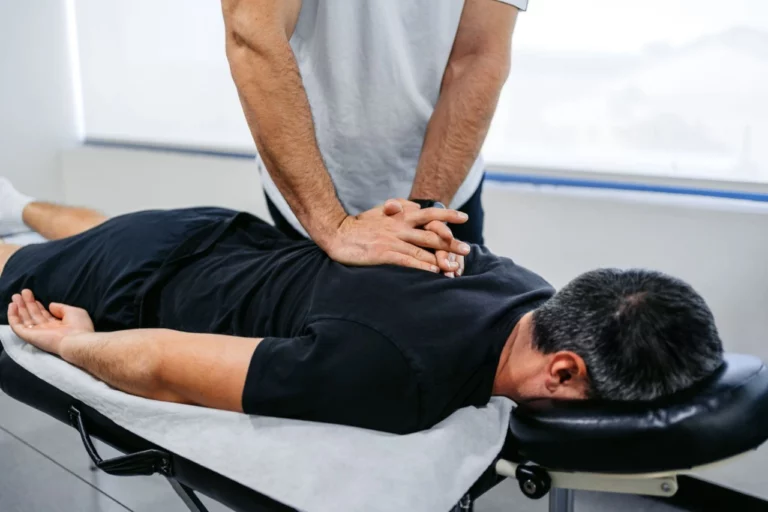
Chiropractic and Massage therapy working hand in hand
Chiropractic and Massage therapy working hand in hand
When addressing chronic pain, stiffness, or injury recovery, treating only the spine or only the muscles often leaves half the job unfinished. Muscles attach to bones, and joints rely on soft tissue for support and movement

Moving Gracefully Through the Years: How Chiropractic Care Supports Aging Mobility
Aging is a natural, dynamic process, but stiffness, aching joints, and a declining range of motion do not have to be an inevitable part of growing older. Maintaining mobility is one of the most vital factors in preserving independence, vitality, and overall quality of life in our golden years.

How Infant Chiropractic Differs from Adult Care
Infant chiropractic does not involve the rapid twisting, cracking, or forceful manipulations used on adults. Instead, certified pediatric chiropractors use low-force fingertip pressure often compared to checking the ripeness of a tomato alongside light cranial-sacral holds and gentle stretching to ease joint restrictions and muscle guarding.

Aging with Vitality: Why Chiropractic Care Matters for Seniors
As the body ages, natural degenerative changes affect bones, joints, discs, and connective tissues. For many older adults, these changes show up as persistent stiffness, reduced flexibility, and chronic aches that gradually chip away at daily independence.

Carrying the Weight of the World? Why Your Stress is Hurting Your Back
We often talk about stress as if it is something that exists purely in our heads. We say things like “I have a lot on my mind” or “I am feeling mentally drained.”
But if you have ever navigated a difficult week at work, tax season, or a major life change, you know that stress doesn’t stay in your brain. It travels.
It settles into your jaw, hikes up your shoulders, and knots up your lower back. You might feel “heavy,” stiff, or just generally achy. This isn’t a coincidence. It is your body’s physical reaction to what is happening in your life.
